Udawalawe Elephant Transit Home
Content
- Introduction
- History of Udawalawe Elephant Transit Home
- Reasons that urge to baby elephants get orphaned.
- Problems that are faced by Udawlawe Elephants Transit Home
- How does Udawalawe Elephant Transit Home Operates?
- What you can experience at Udawalawe Elephant Transit Home?
- Guidelines and Regulations you need to follow
- Impact of Udawalawe Elephant Transit Home
- Final Thoughts
Introduction
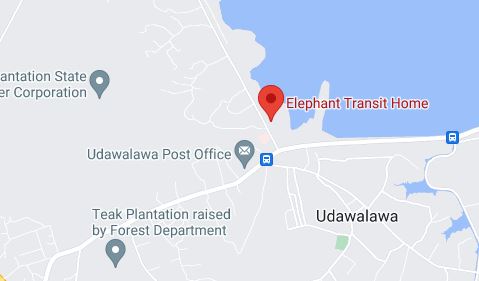
Udawalawe Elephant Transit Home(ETH) also known as Udawalawe Elephant Orphanage was established in 1995 by the Department of Wildlife Conservation of Sri Lanka. It is Located on Maha Ara Road, Udawalawa. The main primary purpose of this initiative was to rehabilitate orphaned elephant calves and send them back to their natural wildlife.
By the time of 1972, the ideas and discussions(and new laws) about saving wildlife began to spread strongly among Sri Lankans.
With these new laws in place, humans are prohibited to catch, sell, kill, or do any activity that alters their way of wildlife.
In the past, it was tradition to give the founded orphan baby elephants to a temple or to a governing leader to take care of them as a pet. But this tradition was changed with the new establishment of Pinnawala Elephant Orphanage in 1975. It was established in the Pinnawala area by the Department of Wildlife Conservation of Sri Lanka.
Within the time period 1975 to 1995, various measures were taken by the government to conserve wildlife in Sri Lanka.
As a result of those long movements Udawalawe Elephant Transit Home (Udawalawa Ath Athuru Sewana ) was formed(in 1995).
History of Udawalawe Elephant Transit Home
In 1995, Udawalawe Elephant Transit Home (ETH) was formed with a single orphaned elephant named Komali. Then in years to come the numbers increased.
By 1998 for the first time in the history of Udawalawe Elephant Transit Home, rehabilitated baby elephants named Anuradha, Anusha, Kandula, and Gamini were released into the wild. They were successfully gathered into ongoing elephant herds. And that provided enough evidence to prove that this project actually works.
The government tracks all the movements of elephants who are been rehabilitated and released into the wild. It is done by a radio belt attached to their neck. Thus the security of these wonderful creatures is assured.
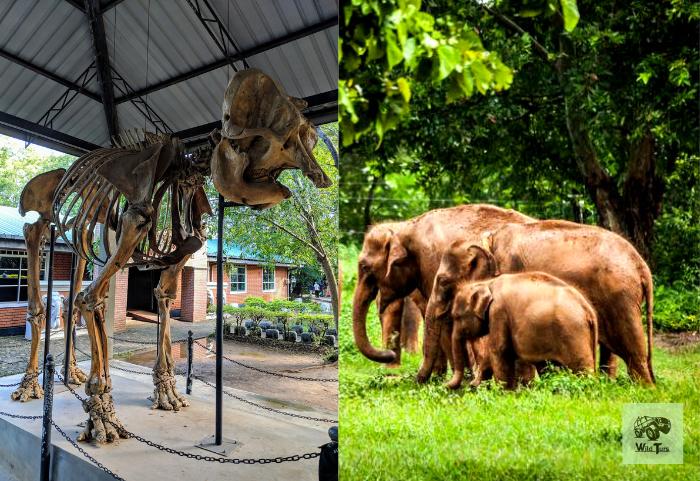
Today in 2023, The Udawalawe Elephant Transit Home takes care of more than 100 to 200 orphaned baby elephants in total.
Reasons that urge to baby elephants get orphaned.
Most of the orphan baby elephants/calves taken care of in Udawalawe Elephants Transit Home are due to one of below reasons,
- Missed from the Herd and found alone inside the park or from cultivation nearby.
- Parent elephants are dead due to Human-Elephant Conflicts around deforestation and cultivation.
- Parent elephants are dead due to Collision With Train
- Poaching.
- Injured baby elephants due to the biting of Jaw Bombs that were placed to catch wild boars.
Problems that are faced by Udawlawe Elephants Transit Home
Due to the increase of some activities above mentioned the numbers are growing. Thus the orphanage has to face some challenges to overcome while doing its day-to-day operations. Those challengers include,
1. Lack of Funding:
Problem
One of the major challenges faced by the Udawalawe Elephant Transit Home was the lack of adequate funding. The center relied heavily on donations from individuals and organizations to run its operations.
Solution
Sri Lanka Department of Wildlife Conservation increased its funding through government grants for this center. And the center also started various fundraising initiatives to generate additional income.
- Issuing a ticket to watch elephant feeding
- Accepting donations from generous travelers like you.
2. Limited Space:
Problem
Another challenge faced by the center was the limited space available for the elephants. The center struggled to provide adequate space for all of them as the number of orphaned elephants increased.
Solution
The center expanded its facilities and increased the number of enclosures.
3. Health Issues:
Problem
Orphaned elephants that are brought to the center often suffer from various health issues, including malnutrition and injuries. The center has a team of veterinarians and caretakers who provide medical treatment and care for the elephants.
Solution
The veterans in the center conduct regular health checks on the elephants to detect any health issues early.
4. Reintroduction to the Wild:
Problem
One of the primary goals of the Udawalawe Elephant Transit Home is to rehabilitate orphaned elephants and reintroduce them to the wild. However, this can be a challenging process as elephants that have been raised in captivity may struggle to adapt to life in the wild.
Solution
The center has developed a gradual reintroduction program. This program acclimates the elephants to their natural habitat. And helps to provide them with the necessary skills to survive in the wild.
Despite these challenges, the center has been successful in rehabilitating and reintroducing orphaned elephants to the wild.
How does Udawalawe Elephant Transit Home Operates?
The rescuing and rehabilitation of orphaned elephants program in Udawalawe Elephant Transit Home operate in 3 steps.
1. Rescue and Intake:
The transit home receives orphaned elephant calves from all over Sri Lanka. They are usually due to poaching or natural disasters such as floods. The calves are often injured, malnourished, and traumatized. So they require immediate medical attention and care.
Once the calves arrive, they are quarantined. And given a thorough medical examination to assess their health and determine the necessary treatment.
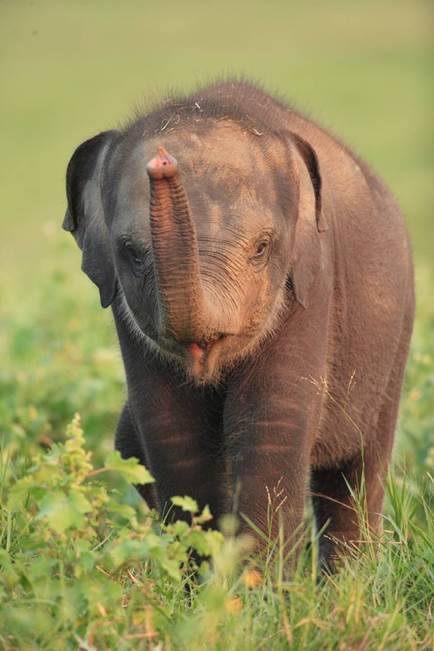
2. Rehabilitation:
After the initial treatment, the calves are moved to a large enclosure where they are looked after by experienced caretakers. The caregivers provide the calves with,
- Milk,
- Food,
- And water
- Also, monitor their health and behavior.
The calves are gradually introduced to socializing with other elephants to mimic their natural herd structure.
3. Release:
The ultimate goal of the transit home is to release the rehabilitated elephants back into the wild. This is a complex process that is done in stages. Such as,
- The first stage involves gradually reducing human contact and increasing the elephant’s exposure to natural environments. (This includes mainly the forests and grasslands.)
- Once the elephant is deemed ready, it is released into a protected area of the wild.
However, the transit home continues to monitor and track the released elephants, providing them with support and care if necessary.
The Udawalawe Elephant Transit Home plays a crucial role in rescuing and rehabilitating orphaned elephants. Ultimately they are released back into the wild.
Through their efforts, the facility is helping to conserve the elephant population in Sri Lanka. The dedication and commitment of the caregivers and staff have resulted in many successful releases.
What you can experience at Udawalawe Elephant Transit Home?
If you’re planning a visit to Sri Lanka and love to see baby elephants on the way, then a visit to the Udawalawe Elephant Transit Home should be on your itinerary.
Here’s what you can expect from your visit:
1. Baby Elephant Feeding Times:
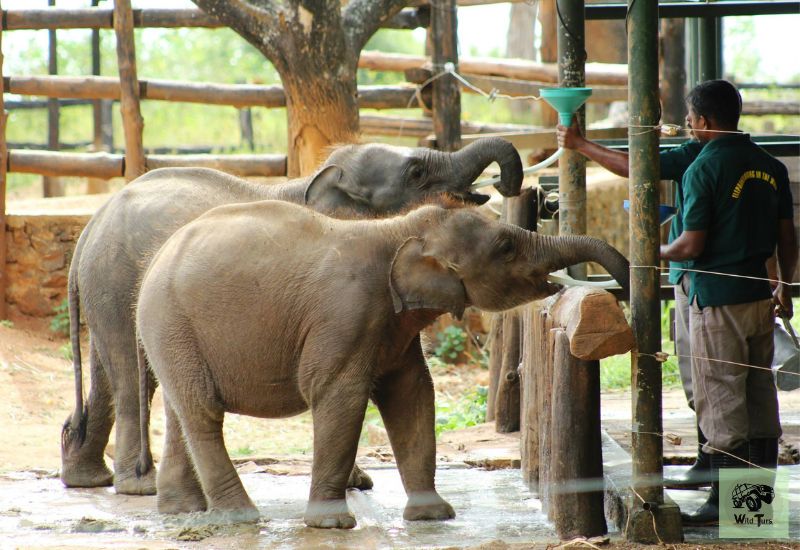
Feeding times are one of the main attractions at the transit home. And you are welcome to observe them. The baby elephants are bottle-fed milk at regular intervals.
The baby elephant’s feeding times are as follows,
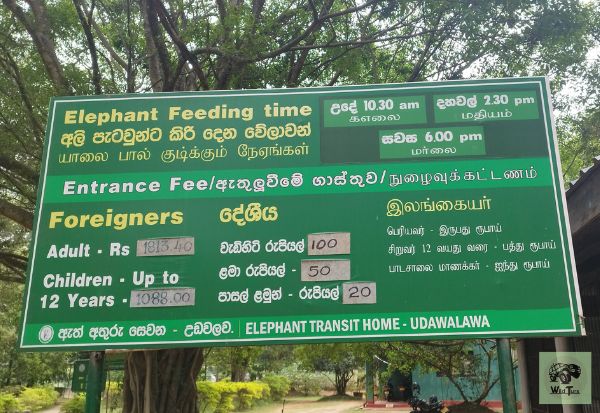
- In the morning at 10.30 am
- In the afternoon at 2.30 pm
- In the evening at 6.00 pm
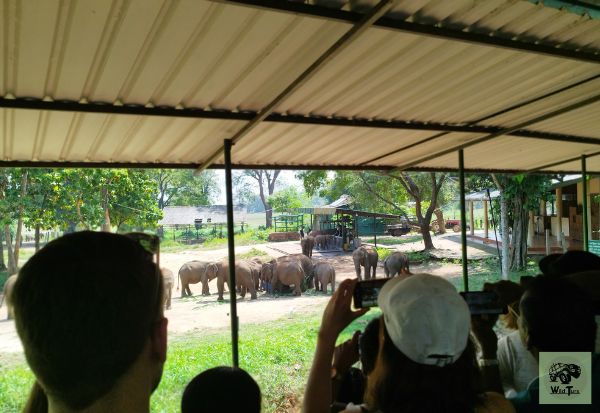
You can see them getting fed by caregivers and playing in a designated viewing area. The above times are the only times when you can enter the Elephant Transit Home to see baby elephants.
2. Udawalawe Elephant Transit Home – Information Centre
The transit home has a small information center for travelers like you. From there you can learn some important facts about Sri Lankan elephants.
How much is the entrance fee for Udawalawe Elephant Transit Home for foreigners?
Entrance Fee for Foreigners
| Adult | USD 5 |
| Children Up to 12 years of age | USD 3 |
Guidelines and Regulations you need to follow
You must follow some guidelines and regulations to ensure the safety and well-being of the elephants. Visitors are not allowed to touch or feed the elephants. And they must maintain a safe distance from them.
You can take videos and photographs as much as you like. But you are allowed to do so from the viewpoint provided only. It’s important to remember that the transit home is not a zoo. But a rehabilitation center. Therefore the focus is on the welfare of the elephants.
Surely, visiting the Udawalawe Elephant Transit Home is an unforgettable experience. It’s a great way to learn more about these magnificent animals and the important work being done to protect them.
By following the guidelines and regulations, you can ensure that you don’t disturb the elephants and contribute to their well-being.
Impact of Udawalawe Elephant Transit Home
The Udawalawe Elephant Transit Home has had a significant impact on the elephant population in Sri Lanka. Here are some of the positive impacts of the transit home:
Conservation:
The transit home has played a critical role in conserving the elephant population in Sri Lanka. Here the orphaned elephants are rescued and rehabilitated. It ensures that these orphan elephants can survive and thrive in their natural habitat when they are released.
The facility also conducts research and monitoring of elephant populations. This helps in developing conservation strategies.
Awareness:
The transit home has helped raise awareness about the importance of wild elephant conservation in Sri Lanka. With this initiative now there is a place to take care of the orphaned baby elephants until they mature enough to release into the wild.
All the operations done in the Transit home are not visible to common people. The site seeing of baby elephants has also been shown just raise some funds to continue this effort in the future.
That’s why there is no government-authorized person to give you guidance while you watch baby elephants get fed. In the future, the government may appoint appropriate persons to give you an idea about their operations.
But most likely the tour guide companies that you come with have basic knowledge about this effort. The information center established inside the transit home has enough information about the importance of protecting elephants and their habitats.
Research:
There have been several research studies conducted on the Udawalawe Elephant Transit Home. They have shown a positive impact on elephant welfare and conservation.
One study conducted by the University of Peradeniya found that the transit home had a positive impact on the physical and psychological well-being of the rehabilitated elephants. Another study found that the transit home was successful in rehabilitating and releasing orphaned elephants back into the wild.
The Udawalawe Elephant Transit Home has had a significant positive impact on the elephant population in Sri Lanka. The facility’s efforts in rescuing, rehabilitating, and releasing orphaned elephants back into the wild have helped conserve the species. And to raise awareness about the importance of elephant conservation.
Final Thoughts…
In this article, we explored the Udawalawe Elephant Transit Home, a facility dedicated to rescuing, rehabilitating, and releasing orphaned elephants back into the wild.
Here we discussed,
- the functioning of the transit home,
- what you can experience,
- the positive impact it has had on the elephant population in Sri Lanka
- and the research studies that have been conducted on the facility.
It’s clear that the Udawalawe Elephant Transit Home plays a crucial role in protecting and conserving the elephant population in Sri Lanka. Through their efforts, the facility is helping to ensure that these magnificent animals can continue to thrive in their natural habitat.
The facility’s focus on education and research is also important in raising awareness about the importance of elephant conservation.
Supporting facilities like the Udawalawe Elephant Transit Home is critical in protecting and conserving elephants in Sri Lanka and around the world. By supporting these organizations, we can help ensure that these animals continue to thrive. This will ensure future generations can enjoy their beauty and majesty.
FAQs
The baby elephant’s feeding times are as follows,
1. In the morning at 10.30 am
2. In the afternoon at 2.30 pm
3. In the evening at 6.00 pm
For a Foreign adult – USD 5
For Foreign Children Up to 12 years of age – 3 USD